

What is Wind Turbine
A wind turbine is a device that converts the kinetic energy of wind into electrical energy. As of 2020, hundreds of thousands of large turbines, in installations known as wind farms, were generating over 650 gigawatts of power, with 60 GW added each year.
Benefits of Wind Turbine
Free fuel
Since wind turbines themselves run strictly on the power of wind generated, there is no need for fuel. Once the turbine is complete and installed, it doesn't need to be fueled or connected to power to continue working. This also reduces the overall cost to continue to run large-scale wind farms in comparison to other forms renewable energies, which require may require some energy investment.
One of the cleanest forms of energy
Since wind energy doesn't rely on fossil fuels to power the turbines, wind energy does not contribute to climate change by emitting greenhouse gases during energy production. The only time that wind energy indirectly releases greenhouse gases is during the manufacturing and transport of the wind turbines, as well as during the installation process.
Advances in technology
The latest advances in technology have transformed preliminary wind turbine designs into extremely efficient energy harvesters. Turbines are available in a wide range of sizes, increasing the market to many different types businesses and by individuals for use at home on larger lots and plots of land. As technology improves, so do the functionalities of the structure itself, creating designs that will generate even more electricity, require less maintenance, and run more quietly and safely.
Doesn't disrupt farmland operations
Energy suppliers can build their wind turbines on pre-existing farmland and pay the farm owners to build on their property in the form of contracts or leases. This is a great boon to farmers who can use some extra income, and it wind turbine footprints take up very little space at the ground level, so it doesn't disrupt their farm's production. At present, less than 1.5% of contiguous U.S. land area is used by wind power plants.
Reduces our dependence of fossil fuels
Energy generated from fossil fuels not only contributes to climate change, but we'll one day run out of it. As long as the sun heats the planet, then there's an endless supply of wind.Furthermore, developing and investing in technology that can only run on a finite resource—that we may run out of our lifetime—is a terrible waste of human capital, private funds, and tax dollars.




Why Choose us
Quality services
Our team is committed to delivering high-quality services to our clients. We use the latest technologies and tools to ensure that our services exceed your expectations.
Experience and expertise
Our company has been in business for many years and has amassed significant expertise and experience to provide quality services to our clients.
Quality
We offer high quality services and products that are relatable and resonate with your business needs.
Certifications and quality standards
Choose a factory that adheres to industry standards and certifications to ensure product safety and quality.
Competitive pricing
We offer competitive pricing for our services without compromising on quality.
Types of Wind Turbine
Horizontal axis wind turbines
Horizontal axis wind turbines are the most commonly used turbines due to their strength and efficiency. The base of the towers have to be extremely strong, allowing the rotor shaft to be installed at the top of the tower which allows the turbine to be exposed to stronger winds. With the blades of the turbine being perpendicular to the wind, the rotation of the blades can generate more power compared to the vertical axis wind turbine. However, the construction of this type of turbine requires a heavy support for the tower to support the weight of the blades, gearbox and generator as well as utilizing a sizable crane to lift the components to the top of the tower.In a situation where the wind is blowing downwards, the turbine structure may suffer from metal fatigue which could lead to a structural failure. This is resolved by designing the turbines with an upwind design. Additional yaw control is needed for the horizontal axis wind turbines in order to track the direction of the wind, to prevent damaging the turbine.
Vertical axis wind turbines
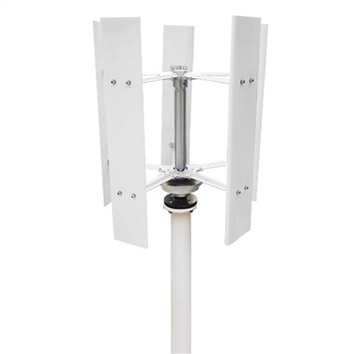
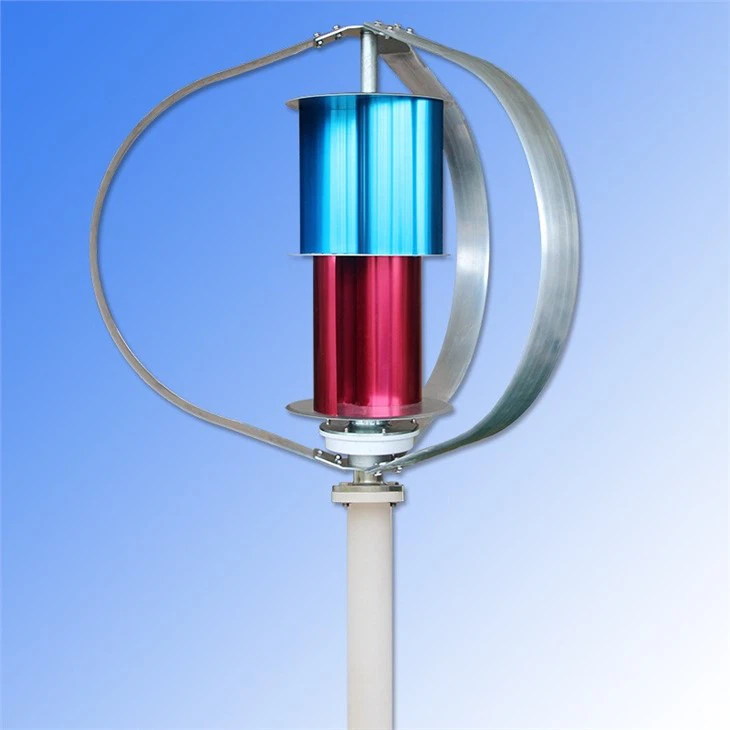
Vertical axis wind turbines are less affected by frequent wind direction changes as compared to the horizontal axis wind turbines due to the blades being rotated on the rotor shaft perpendicular to the ground. With the blades and shaft installed in this way, the turbine does not need to rotate to track wind direction. The shaft is mounted near ground level due to the difficulties of mounting the shaft and its components on the tower. An advantage of being mounted at ground level is that maintenance of the turbine is easier and can be installed at locations such as rooftops. Disadvantages to this turbine installation is that the efficiency is lower due to air drag and the lower wind speeds compared to the higher wind speeds encountered at higher elevations.

What is Nacelle in Wind Turbines?
To monitor numerous parameters, including wind speed, direction, and turbine performance, sophisticated control systems are placed within the nacelle. To maximize energy production and guarantee safe operation, these systems modify the orientation of the turbine and the pitch angle of the blades.
Generator
It is the generator's job to convert the mechanical energy that the turbine's rotating blades produce into electrical energy. Electromagnetic induction helps to speed up this process.
Gearbox
In many wind turbines, a gearbox is used to accelerate the low-speed shaft that is connected to the rotor's rotation in comparison to the high-speed shaft that is connected to the generator. The generator can produce electricity more effectively thanks to this amplification.
Cooling and ventilation
Given the significant heat generated by the generator and gearbox during operation, the nacelle is equipped with cooling and ventilation systems to maintain optimal operating temperatures.
Materials Used in Wind Turbines
Tower
The tower provides structural support upon which the nacelle and rotor blades stand and is made of tubular steel, concrete, or steel lattice. Naturally, the materials must be strong and robust in nature to withstand harsh environmental conditions and strong winds.
Nacelle
The nacelle houses the inner machinery including the generator, which converts the mechanical energy to electrical energy. As the nacelle contains mostly mechanical parts of the wind turbine’s operation, the materials are not particularly subject to many deviations and variations.
Rotor blade
The rotor generates aerodynamic torque from the wind with its rotating motion as the blades spin. Optimization of the shape and material of the blades should allow for the blade to spin faster and capture wind at lower velocities to increase turbine efficiency. The shape of the rotor blade must be aerodynamic, much like the wings of an airplane. The material of the blades must enhance rather than hinder their aerodynamics and fulfill the following criteria: high stiffness for optimum aerodynamics, low density to reduce gravitational forces, and long fatigue life to reduce material degradation. A 20-year lifespan is usually the industry standard for long fatigue life, which sustains 108-109 stress cycles the material can handle before failure.
Fibers
Fibrous materials are characterized by the fact that they significantly longer than they are wide. The exceptional strength and stiffness of fibers make them excellent candidates for turbine blade materials, where the long fibers provide longitudinal stiffness when aligned parallel along the blade length. Fibers are often brittle and can snap easily, so they are not used alone as a material but rather as additive reinforcements. Carbon fibers have superior mechanical properties with high stiffness, high strength, and low density, albeit along with higher costs. They are composed of pure carbon atoms as hexagonal repeating units in a crystallographic lattice arranged on top of each other in planes, with strong forces within the plane and weak forces between. This gives rise to high anisotropy with high stiffness and thermal expansion properties. The low density of carbon-fiber blades offer increased length without the burden of increased weight, thereby increasing turbine efficiency. Additionally, the lighter blades reduce the overall weight and strain the nacelle carries.
Polymer matrix
The polymer matrix provides structural support by binding the fibers together and consist of two main classes: thermosets and thermoplastics. The main physical difference between them is their behavior in different temperatures. You can learn more about the differences here. Thermosets contain polymers strongly cross-linked together in irreversible chemical bonds. This makes them resistant to high temperatures and remain in a permanent solid state once cooled. This can possibly give rise to internal stress in the composite structure. Examples of thermoset polymers are as follows:
● Unsaturated Polyesters: General Polyethylene terephthalate, amorphous
● Vinylesthers: General Vinyl ester (VE)
● Epoxies: General Epoxide; Epoxy (EP+GF25+MD45), (EP+GF30+MD20)
Application of Wind Turbine
Powering homes
Wind turbines can be used to generate electricity for homes, either through individual installations or through large-scale wind farms.
Powering businesses
Wind energy can also be used to power businesses, from small shops to large factories.
Reducing reliance on fossil fuels
Wind energy is a clean and renewable source of energy, reducing our dependence on fossil fuels and mitigating the impact of climate change.
Providing energy in remote locations
Wind turbines can be installed in remote locations, providing energy to communities without access to traditional power grids.
Reducing energy costs
Wind energy can reduce energy costs for consumers, as it is a sustainable and cheap source of energy once the initial set up costs are covered.
Providing supplemental power
In some cases, wind energy can be used to supplement other sources of power, such as solar or hydroelectric, to create a more reliable and consistent source of energy.
How do Turbines Spin Without Wind?

Efficiency leap Precision and stability
Modern wind turbines are designed in such a way that end customers will continue to receive power, even on days when wind turbines are producing less energy. Wind turbines, like many sources of alternative energy, are connected to a source of backup power supply. Like solar panels, for instance, wind turbines may have their own backup storage unit, which is where they send excess wind power when they produce more energy than is required by the consumer on a given day. On days of slower production, consumers can simply use the energy stored in the wind turbine’s backup power supply to continue receiving power. Turbines may also be connected to the utility grid, which allows consumers to switch over to using conventional forms of electricity if they are not getting enough power from their wind turbine during a windless day.
Basic wind power requirements
Wind turbines operate within an ideal wind speed range. If there is too little wind, turbines won’t produce much energy. If conditions are too windy, on the other hand, turbines can suffer from system damage. Ideally, turbines will operate in a range with wind speeds that average 15-25 MPH. Winds should have an average speed of at least 9 MPH in a given location in order to make wind turbines a cost-effective source of electricity.

Application Of Artificial Intelligence In Wind Turbine Systems
Weather forecasting and wind analysis
Artificial intelligence enables constant, consistent, and near-instantaneous analysis of vast amounts of environmental data — empowering accurate prediction and real-time adjustment to current weather and wind conditions. This leads to improved planning and operational efficiency, eliminates unnecessary shutdowns due to weather or environmental hazards, and reduces equipment malfunction and damage caused by atmospheric conditions.
Maintenance optimization
Some wind-energy providers are already using AI to predict maintenance needs and optimize wind turbine performance. By monitoring wind conditions and cross-referencing environmental data with records of past maintenance, AI can identify patterns that may indicate a need for future maintenance or repair. This information can then be used to create an optimized schedule, identifying exactly when (and how often) maintenance should be performed.
Turbine monitoring and inspection
Inspection of wind turbines is a critical task to ensure their safe and efficient operation. AI-driven tools can be used to monitor the performance of turbines in real-time, as well as to automate turbine inspection. When combined with powerful computer vision or cutting-edge robotics, these tools often reveal defects that are easily overlooked by human inspectors, identifying potential problems while providing powerful insights that boost operational efficiency.
From Power to Price Evaluating the Cost Factors of Wind Turbine Designs
Wind turbine size and capacity
One of the primary determinants of cost is the size and capacity of the wind turbine. Larger turbines with higher power output often tend to be more expensive than their smaller counterparts. However, they can generate more electricity, providing a greater return on investment over time.
Installation and Infrastructure
The installation process and the infrastructure required also add to the overall cost. Factors such as foundation construction, transmission lines, and grid connection can have a significant impact on the project's budget. Efficient planning and optimizing installation methods can help reduce these costs.
Maintenance and operational costs
Maintaining and operating wind turbine entail expenses throughout their lifespan. Regular maintenance, inspections, and repairs can amount to a substantial sum. However, choosing designs that require less frequent maintenance and have longer lifespans can help mitigate these costs and improve the project's economics.
Wind resource assessment
The availability and quality of wind resources in a particular location are crucial factors in determining the potential power output and, ultimately, the project's profitability. Conducting thorough wind resource assessments ensures accurate estimations and helps in selecting the right wind turbine for the specific site.
Material and manufacturing
The choice of materials and manufacturing processes directly impacts the cost of wind turbine designs. Advanced materials, such as carbon fiber, can offer better performance but may result in higher expenses. Combining efficient manufacturing techniques with cost-effective materials can help strike the right balance between performance and affordability.
Factors to Consider when Selecting a Wind Turbine Design
One of the primary considerations while choosing a wind turbine design is the prevailing wind speed at the installation site. Higher average wind speeds allow for the utilization of larger rotor diameters and more efficient designs. Additionally, the capacity factor, indicating the actual energy output as a percentage of the maximum possible output, should be considered based on historical wind data for the location.
The geographical features and site characteristics have a significant impact on the performance of wind turbines. Some aspects to assess include:
Topography: The presence of hills, valleys, or obstructions can affect wind patterns, causing turbulence and reducing efficiency.
Vegetation: Trees and buildings can block or disrupt wind flow, affecting power generation.
Distance from Shoreline: Offshore wind turbines face different challenges than onshore ones, such as exposure to saltwater and harsh weather conditions.
The desired energy output and available space should be considered when selecting a wind turbine design. Different designs have varying output capacities, and the size of the turbine should be optimized to balance energy requirements and investment costs.
Noise pollution and environmental impact are crucial factors to consider. Some turbine designs feature innovations to minimize sound levels and minimize disruption to wildlife habitats.

Since 1987, Guangzhou, China ESG New Energy Technology Co., Ltd has registered TOYO battery brand as one of 5 major suppliers designated by the China government for tender, now develops with ESG, HKTOYO, and Europe TOYO brand for global markets.
With the development of economy and the improvement of people's living standard environmental protection has become a common theme of human being. More and more countries focus on the carbon emission from manufacturing industry, so ESG stands out from "TOYO" with over 35 years experience of battery industry to act on international convention.
As ESG promotes intellectualized reform and digital transformation, Currently there are production bases in various cities of Guangdong for manufacturing SLA batteries and lithium batteries, which also extends to the field of new energy products including Battery,Solar panel, Inverter, Wind turbine, Portable system, Solar light, etc.
We have more than 30 senior engineers from YUASA TOYO with upgraded automatic intelligent production lines, so the staffs have been reduced from 3,000 to more than 1,000 people. The main materials and manufactures of ESG battery include alloy preparation, plate production, battery shell, separator production, all in one-stop manufacturing to ensure the stable and reliable quality of battery with better cost performance.

Company Certificate

Asked Questions
Q: What can go wrong with wind turbines?
Q: How long does it take for a wind turbine to pay for itself?
Q: What size wind turbine is needed to power a house?
Q: Why do wind turbines not always turn?
Q: Why do so many wind turbines not turn?
Q: Which is cheaper solar or wind power?
Q: How much do farmers get paid to host wind turbines?
Q: Is it safe to live near wind turbines?
Q: How noisy are wind turbines?
Q: Do you need planning permission for a wind turbine?
Q: Why are farmers against wind turbines?
Q: Why do wind turbines have 3 blades?
Q: What state has the most wind turbines?
Q: What is the failure rate of wind turbines?
Q: How many solar panels does it take to equal one wind turbine?
Q: How many solar panels do you need to equal a wind turbine?
Q: Why is hydropower better than wind power?
Q: How many wind turbines can fit on 1 acre?
Q: How many acres do you need for a wind turbine?
Q: Are residential wind turbines worth it?
As one of the leading wind turbine manufacturers and suppliers in China, we warmly welcome you to wholesale or buy discount wind turbine from our factory. All customized products are with high quality and low price. Contact us for quotation and free sample.
200W Lantern Type Wind Turbine, 12v 300ah lithium battery, 48v 100ah Lithium Batteries